Before the Red Carpet: How Awards Campaigns Became Part of the Show
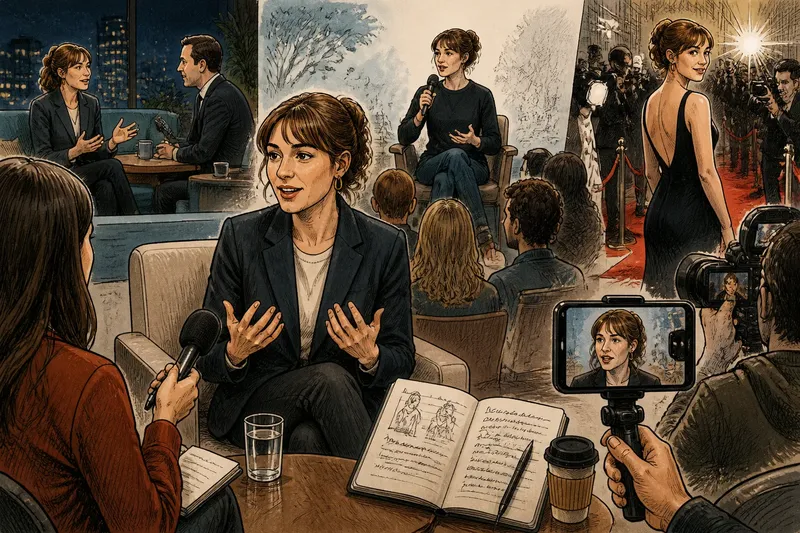
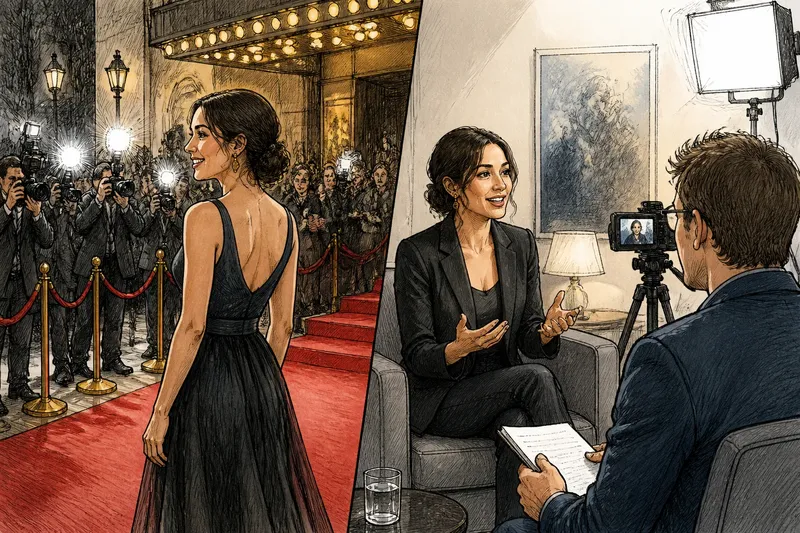
Awards campaigns turn screenings, interviews and craft talks into a season-long public story. Learn how those rituals build anticipation before the ceremony.
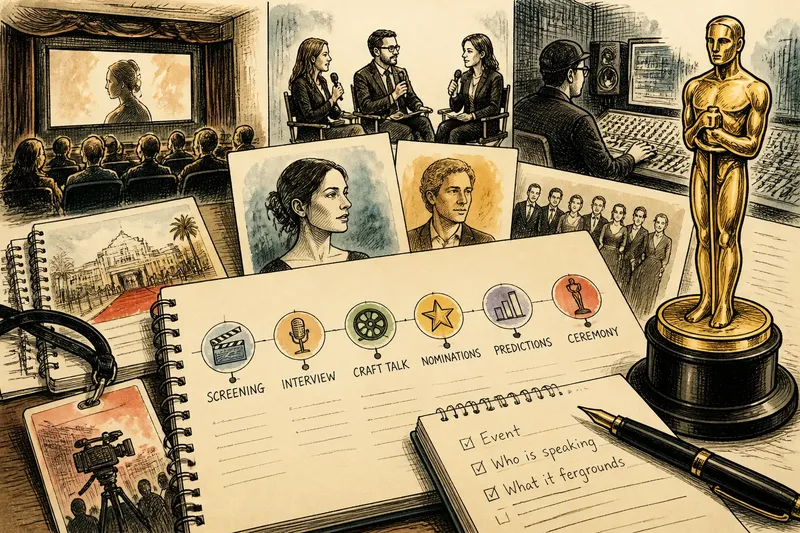
Before the envelopes are opened, a film may already have appeared at screenings, interviews and craft conversations. Awards campaigns use those encounters to build a public story around a release, making the run-up part of the entertainment rather than merely a prelude to the ceremony.
How did the awards run-up become a story of its own?
A ceremony gives a season a visible climax, but the events leading to it supply the plot. A screening introduces a title; a filmmaker’s conversation points to choices behind it; a nomination announcement gives the public a new cast of contenders. Coverage can connect these moments into a race that viewers follow from one event to the next.
That structure suits both the institutions presenting awards and the organisations promoting releases. Award bodies create occasions for attention, while studios, distributors and creative teams use publicity to bring their work before voters, journalists and audiences. The particular mix varies by award and release; there is no single history or schedule that fits every campaign.
The result is a show that extends beyond the broadcast. The ceremony supplies speeches, surprises and winners, while the build-up gives viewers a reason to anticipate them. A campaign’s story might centre on an ensemble, a performance or a technical department, and those choices shape what receives attention along the way.
Which moments turn a campaign into a season-long plot?
Campaigns often move through recognisable stages, though their timing and formats differ. Watch for what each moment adds to the public story:
- Festival or preview screening: If coverage introduces a film and its creative team, treat it as an early invitation to watch; if it offers little beyond a headline, wait for fuller discussion before drawing conclusions.
- Interview: If a performer or filmmaker explains a specific choice, connect that account to the work; if the piece focuses on personal narrative, read it as publicity about the person as well as the production.
- Craft conversation: If speakers discuss editing, sound or design in concrete terms, use the discussion to notice those elements; if it gives only broad praise, seek a more detailed account or watch the film attentively.
- Nomination announcement: If a title or artist is named, note the category and award body; if commentators call it a sweeping verdict, separate their interpretation from the actual nomination.
- Prediction coverage: If a report identifies its reasoning, compare that reasoning with the events it cites; if it offers certainty without explaining its basis, treat it as speculation.
- Ceremony and aftermath: If a winner is announced, record the result as that body’s selection; if discussion turns to an overlooked title, consider the conversation separately from the award outcome.
For a quick reading habit, write down the event, who is speaking and what the format foregrounds. That keeps the season’s story clear without making every publicity moment sound like a verdict.
Why do screenings and interviews create suspense?
Awards coverage turns repeated encounters into clues. A screening gives people a reason to discuss a film; an interview can make a particular performance or production choice more memorable; a nomination announcement changes which names are treated as contenders. Each moment adds material for the next round of predictions.
Say a viewer begins with an imaginary shortlist of two films, North Window and The Orchard Room. They attend a fictional editing conversation for North Window, where the editor describes how a quiet scene was assembled. The viewer later watches both films and notices the scene’s shifts in rhythm, then decides that this detail makes North Window more interesting to discuss, while still preferring The Orchard Room overall. The campaign has changed the viewer’s attention, not dictated the final preference.
That is how the campaign becomes part of the spectacle: it gives audiences both a contest and a vocabulary for talking about the work. The suspense belongs to the public story; the award decision still belongs to the voters and process behind a particular prize.
What does each campaign format show—and leave out?
Every publicity format has a frame. A screening puts the film first, while a profile may centre a performer’s route into a role. A craft panel can bring sound, editing, production design or cinematography into focus, but its discussion may not cover every department or choice.
Use these distinctions when reading a campaign item:
- Screening: If you want to form an impression of the work, watch the film; if access is limited, look for a substantive account of its content rather than treating an invitation as evidence of quality.
- Profile or interview: If it includes clear details about a role or production, note those as the subject’s account; if it offers only a personal narrative, do not assume it explains the whole creative process.
- Panel or craft talk: If it names a decision and its effect, use that detail to guide a later viewing; if it stays general, look for a more focused discussion.
- Prediction column: If it distinguishes confirmed events from opinion, assess each separately; if the two are blended, check the original announcement before repeating the claim.
A campaign can make one part of a production unusually visible. The useful question is what the format lets you see, and which parts of the work remain outside its frame.
What do viewers ask about awards campaigns?
Why are screenings held before nominations?
Screenings create occasions for voters, journalists or invited audiences to see a film and discuss it. Their presence tells you that outreach is happening, not how any individual will vote.
What can a craft conversation add?
It can offer specific language for choices in areas such as editing, sound or production design. Keep the speakers’ account distinct from your own response to the finished work.
Does a nomination settle which film was best?
A nomination records recognition within a particular award process and category. It does not answer every question about artistic preference or explain the reasoning of each voter.
Why do predictions appear before the ceremony?
Predictions give coverage a continuing contest to discuss as new events arrive. They remain commentary about possible outcomes, not announcements of decisions already made.
How can you enjoy the build-up without losing sight of the film?
Choose a few campaign formats that genuinely interest you: perhaps interviews with directors, a sound-design discussion or a festival screening. Before reading predictions, make a brief note of what you noticed in a film; afterwards, compare that response with the campaign’s account of its strengths.
When a headline says a title is “everywhere”, translate it into the narrower claim that it has substantial public visibility in the coverage you have seen. When an event calls a performance the centre of a campaign, read that as a promotional choice. These descriptions help explain the season’s story without turning publicity into a ranking of the work.
To understand how awards campaigns became part of the show, follow the links between the events: what gets screened, which craft receives a conversation, and how those moments feed the race presented to viewers. The ceremony is the visible finish, but the build-up is where a production’s public story takes shape—and where you can decide which parts deserve your attention.