How a Celebrity Public Persona Takes Shape Across Appearances
Learn how repeated interviews, roles and public appearances shape a celebrity public persona, and how to describe its image without guessing at private character.
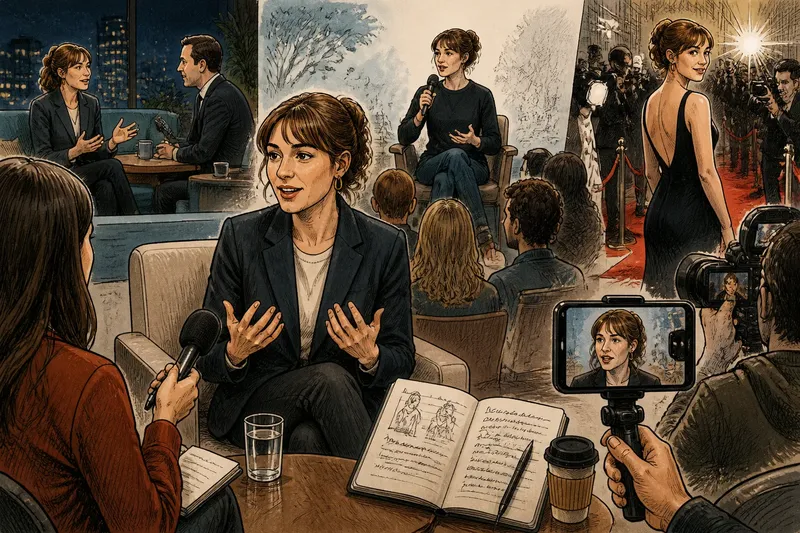
A celebrity public persona can be traced through the choices repeated across interviews, performances and appearances: the work they discuss, the stories they tell and the way they address an audience. Reading those choices as part of image-making helps explain what becomes recognisable without turning a public impression into a claim about private life.
Which signals make a public persona recognisable?
Look for recurring details: an actor who regularly discusses rehearsal, a musician who credits collaborators, or a performer whose interviews often use dry humour. These choices can become shorthand for a public image because audiences encounter them in more than one setting.
Record what appears, not what you assume caused it. A recurring detail may reflect habit, the demands of a role or a prepared publicity approach; the appearance itself does not settle which explanation is right.
For example, “often talks about rehearsal” describes a pattern. “Is devoted to every colleague” makes a wider claim the interviews may not support.
How do publicity formats shape the image?
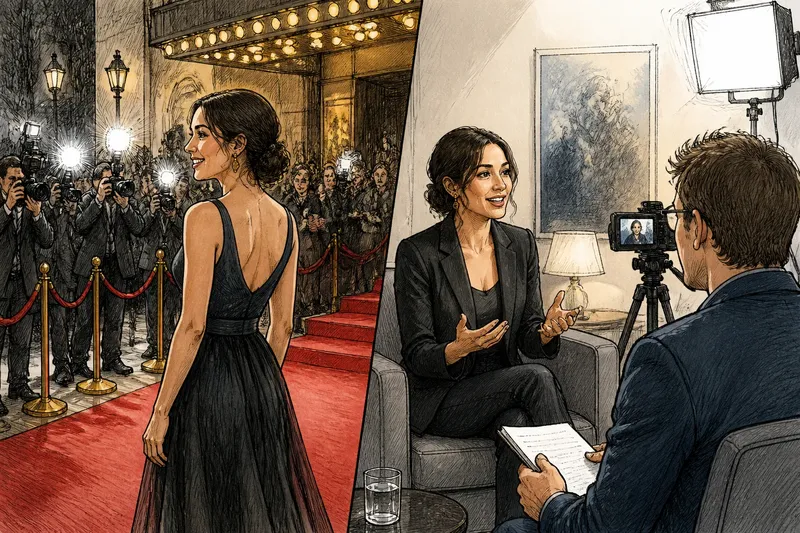
A magazine profile gives room for a longer account, while a short social video favours a compact, memorable moment. A television interview, a festival discussion and a scripted awards introduction each put different demands on the speaker.
Before comparing appearances, identify the format and its limits. An edited profile may arrange remarks into a coherent story; a brief clip may leave out the question that prompted an answer. Those differences affect what audiences see and remember.
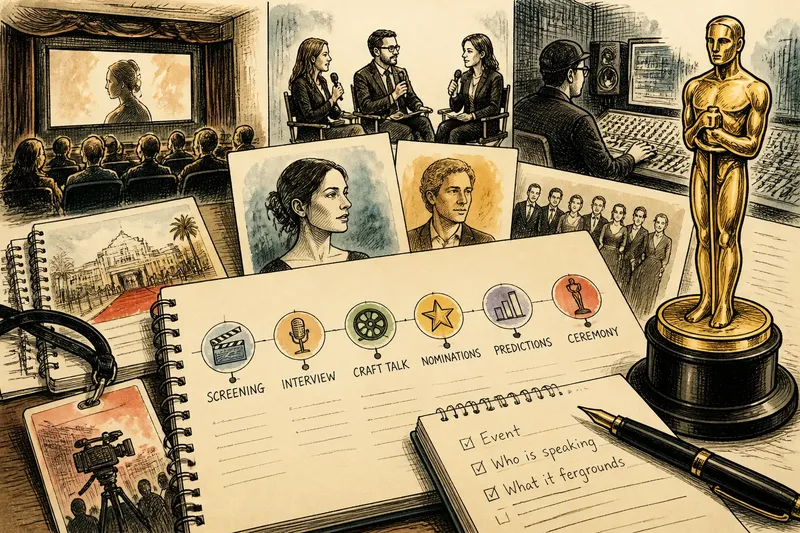
Ask what the format foregrounds and what it leaves outside the frame.
What does a memorable image leave out?
Publicity often makes a person easier to recall by emphasising a few themes: a kind of role, a familiar sense of humour, a craft-focused identity or a repeated account of success. That shorthand can help audiences place someone, but it cannot stand in for a full career or biography.
When a familiar label seems to explain a new appearance, check whether the current material supports it. A comic screen role, for instance, does not determine how its performer must speak at a serious industry event.
Keep the shorthand attached to the work or appearances that produced it, rather than treating it as a permanent description.
How can you discuss a celebrity public persona fairly?
Separate observable presentation from interpretations of motive or character. “The interviews present a craft-focused image” identifies how the material comes across; “the person is always generous” claims more than those interviews can establish.
Say you are comparing an actor’s festival discussion with a short promotional clip. If both repeatedly mention preparation, you can describe preparation as a recurring public theme; if only the clip shows a particular gesture, keep it as a feature of that appearance rather than calling it a defining trait. The result is a more precise account of the public image, with the limits of the evidence clear.
This distinction does not require calling a persona false. It simply keeps discussion focused on what audiences can actually observe.
What questions help you read a celebrity public persona?
Is this a recurring choice or one memorable moment?
Compare several appearances before describing a feature as a pattern. A striking outfit or awkward answer may stand out, but one moment alone does not show that it defines the person’s public image.
What does this format make visible?
Note whether you are watching a live interview, edited profile, scripted speech or short promotional clip. Each format affects timing, emphasis and how much context an audience receives.
What can I describe without guessing?
Use specific observations such as “often credits collaborators” rather than claims about private values or motives. That wording keeps the description tied to what appears in public.
Does the image shift between projects?
Compare appearances linked to different roles or events, noting both what remains and what changes. A public image can evolve without making earlier appearances irrelevant.
How should you describe changes in a public image?
Track continuity and change separately. A performer may keep a familiar speaking style while discussing a different kind of work, or move away from a visual signature that once drew attention.
Imagine an invented case: an actor’s starting point is a series of light-hearted interviews during a comedy’s release. Later, while promoting a historical drama, the actor gives a more formal discussion but still returns to the subject of rehearsal. Comparing those appearances, the answer is that the subject matter and tone have shifted while preparation remains a recurring public theme; neither phase, on its own, settles the actor’s private character.
When describing a celebrity public persona, name the appearances, identify the repeated or changed choices, and keep conclusions within those limits. That makes the account more useful than a label that turns a changing public image into a fixed verdict.