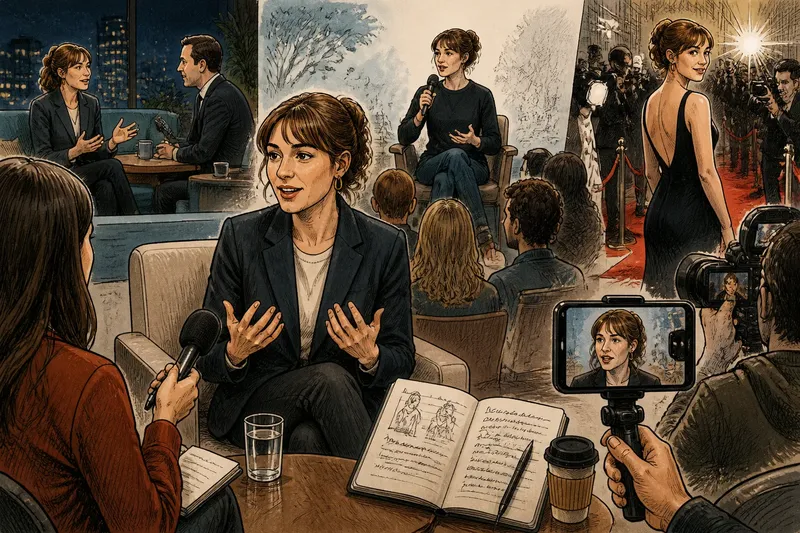
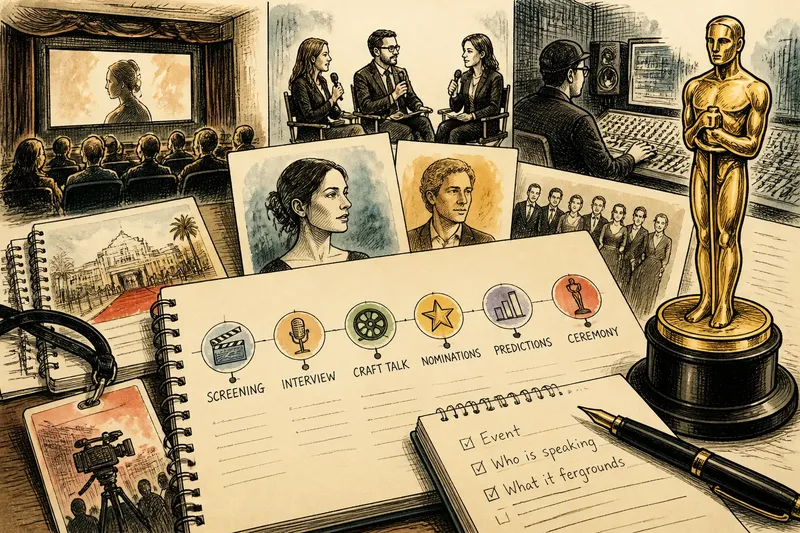
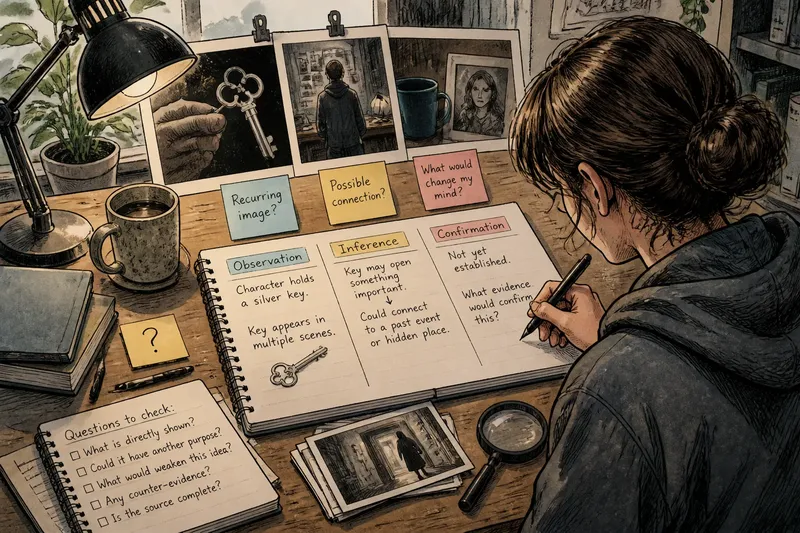
Premiere Night or Press Day: What Each Event Is For
Premiere night or press day: learn how each format works, identify the event from its setting and schedule, and understand what access it offers.
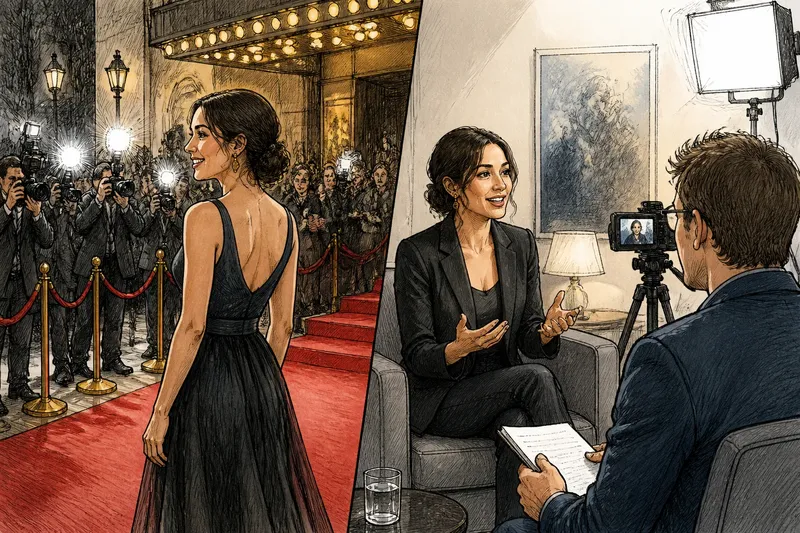
Premiere night or press day: if you see a performer arriving beneath a bank of cameras, or answering questions in a hotel room, the setting tells you what the event is organised to do. A premiere centres on a screening; a press day centres on scheduled media conversations.
What happens at a premiere night?
A premiere is a screening arranged as a public-facing launch or invited occasion. Cast and crew may join journalists, industry guests, partners, fans or members of the public, depending on the event. The screening is the centre; arrivals, photographs and interviews make the occasion visible outside the auditorium.
Some programmes include a carpet, a short introduction, a screening and a reception. Others are more restrained, or reserve the screening for invited guests. A prominent carpet does not mean the whole event is open to the public.
Premiere coverage can show who attended and how the film was presented to that particular gathering. It cannot tell you what every attendee thought, or how the film will be received elsewhere. The practical distinction is between the screening itself and the publicity around the entrance.
How does a press day work?
A press day is built around a schedule of interviews, rather than a shared screening. Performers, directors or other production staff speak with journalists, broadcasters, podcasters and online outlets. Conversations may take place in person or remotely, one-to-one or in small groups.
Appointments can be brief and held in a studio, hotel room or temporary interview space. Guests may be asked about a role, a scene, a collaborator or the film’s themes. A busy schedule can encourage concise answers and familiar topics, without meaning that every response has been scripted.
Interview format matters. A longer conversation may give a guest room to explain a creative choice, while a short segment is usually shaped around one clear exchange. Check the outlet and interviewer’s approach to understand what kind of conversation you are watching.
Why might a performer attend both events?
The formats serve different audiences. A premiere gathers people for a screening and an occasion; press-day interviews provide material for outlets reaching viewers who were not there. A performer may appear at both, but no single schedule applies to every production.
Availability, travel, the intended audience and publicity arrangements can affect who attends. Someone might take part in interviews without appearing at a premiere, or attend the screening but miss a particular press session. Repeated appearances are not necessarily repeated events: each format offers different material.
How can you identify a premiere or press day?
Look at the main activity, then compare it with the caption or event description. A venue entrance, arrivals and a screening point towards a premiere; interview stations, microphones and a sequence of conversations point towards a press day. Some events combine both.
- Check the activity: If the footage centres on arrivals and a screening, treat it as premiere coverage; if it centres on interviews, look for a press-day or junket label.
- Check who is present: If invited guests or fans are visible, the event may include an audience; if only an interviewer and crew appear, consider a media appointment instead.
- Read the caption: If it names a premiere, screening or press session, use that as a clue; if the wording is vague, compare it with the visible activity before deciding.
- Notice the setting: If you see an auditorium or venue entrance, a screening event is plausible; if you see a small interview room or remote-call layout, a media conversation is more likely.
- Check whether the clip is edited: If the montage shifts outfits, backdrops or locations, treat it as a compilation; if it stays in one continuous exchange, it may show a single appointment.
- Look for the organiser’s description: If an event page identifies public access or ticketing, use that to judge attendance; if no access details appear, do not assume the event was open to fans.
Say you see an actor answering the same question in three short clips, all against a matching backdrop. The captions identify the recordings as interviews from one press day, so you classify them as separate media appointments rather than three public appearances; the expected observable result is a set of edited promotional conversations, not footage of three events. If one clip instead shows the actor entering an auditorium with guests gathering nearby, classify that scene as premiere coverage, while checking the venue description before deciding who could attend.
What can each format tell you about a film?
A premiere shows how a film is being introduced to a particular gathering. It may give attendees a chance to see the work before a wider release, but photographs of arrivals do not reveal the screening, and a few visible reactions are not a broad audience response.
A press day can reveal how participants describe their roles, creative choices and working relationships. The questions, time available and promotional setting shape those answers. An interview may be informative without being an unrestricted account of the production.
Neither format settles whether a film is good. To assess the work, watch it and seek criticism that explains its reasoning, rather than treating promotional appearances as a substitute.
What do viewers often ask about these events?
Is a premiere the same as a press screening?
Not necessarily. A premiere is arranged as a launch or invited occasion, while a press screening is organised for media; one event can serve both purposes. Check the organiser’s description and invitees before treating the terms as interchangeable.
Are press-day interviews always live?
No. They may be recorded, edited or conducted remotely, depending on the outlet and arrangement. A polished clip does not establish whether it was live or when it was recorded.
Why do several interview answers sound alike?
Different outlets may ask about the same topic, and a guest may use a concise explanation that suits a short slot. Similar answers can reflect shared publicity themes, but they do not by themselves show that every conversation followed a word-for-word script.
Can fans attend a premiere or press day?
Some premieres include a public viewing area or ticket allocation, while others are invitation-only. Press days are generally arranged around media appointments, so check the event’s own access information before assuming fans can attend.
How should you read a short interview clip?
Start with the question, the speaker and the setting. A carpet prompt, an interviewer’s question and a fan’s greeting invite different kinds of answers, while editing can remove the exchange that explains a response. If a clip makes a striking claim, find the full conversation or a reliable event description before deciding what the excerpt establishes.
Keep the event’s purpose in view: a premiere gathers people around a screening, while a press day schedules conversations for media. That distinction helps you identify what the footage actually shows—and whether the next useful source is the event listing, the full interview or the film itself.